Afghan Food Guide: What to Eat in Afghanistan
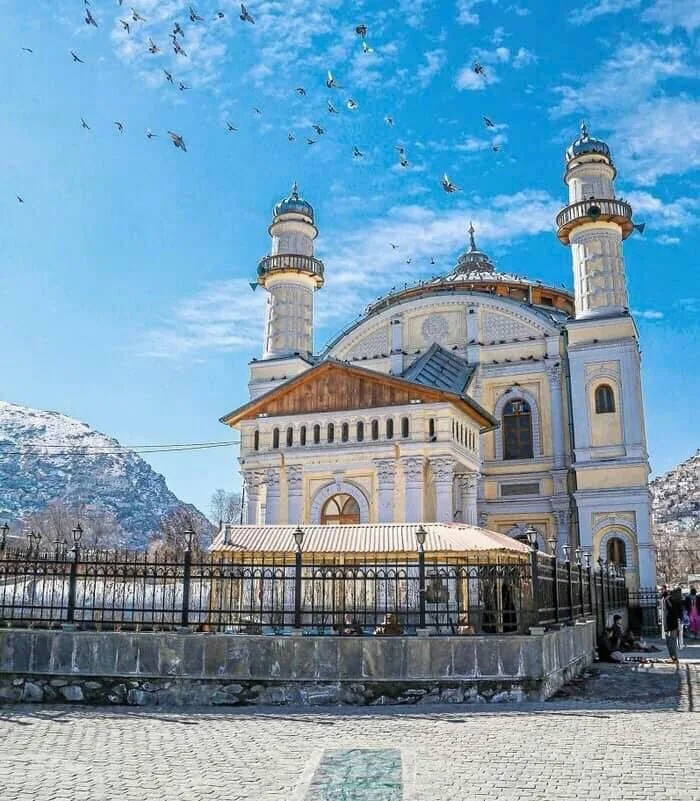
Afghan food is one of the quiet highlights of any trip — generous, aromatic, and built around shared plates and endless tea. It draws on Silk Road neighbors but is entirely its own. Here are the dishes we make sure every guest tries, and what to expect at the table.
Dishes you have to try
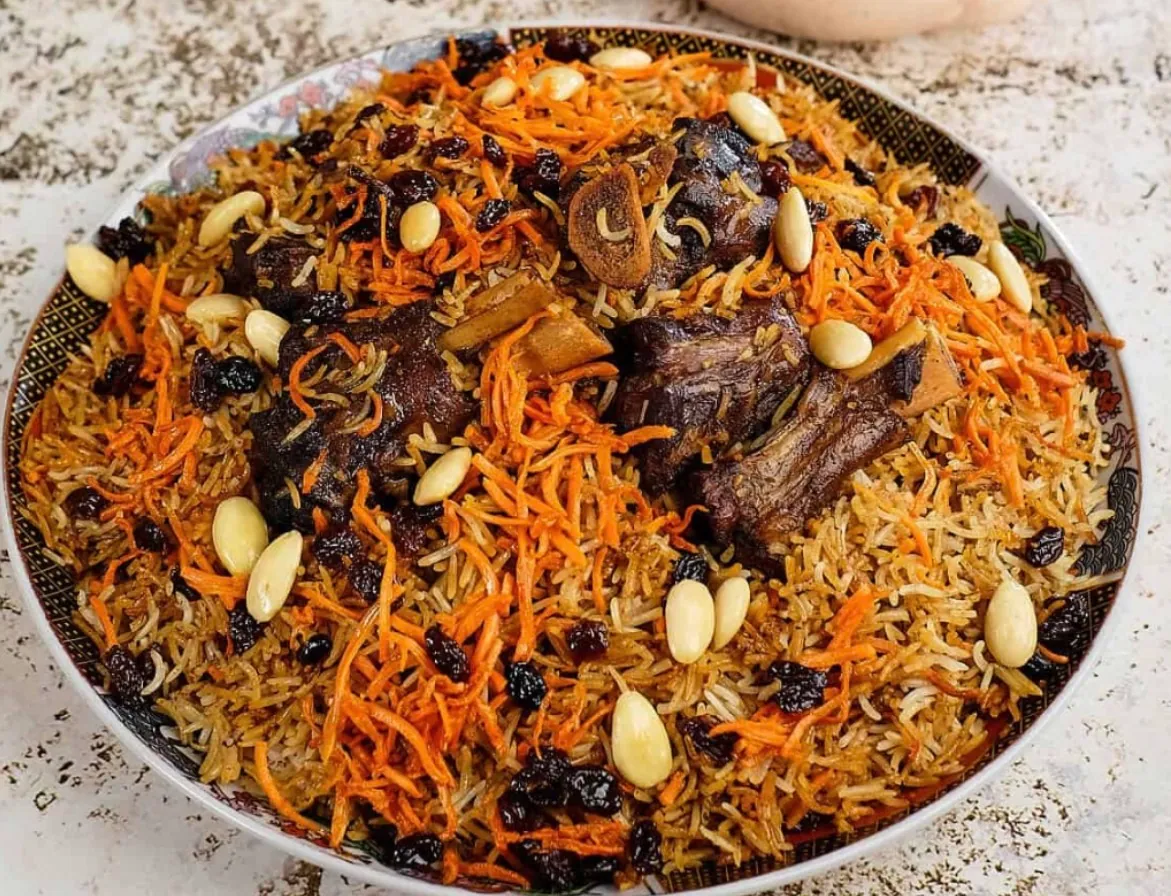
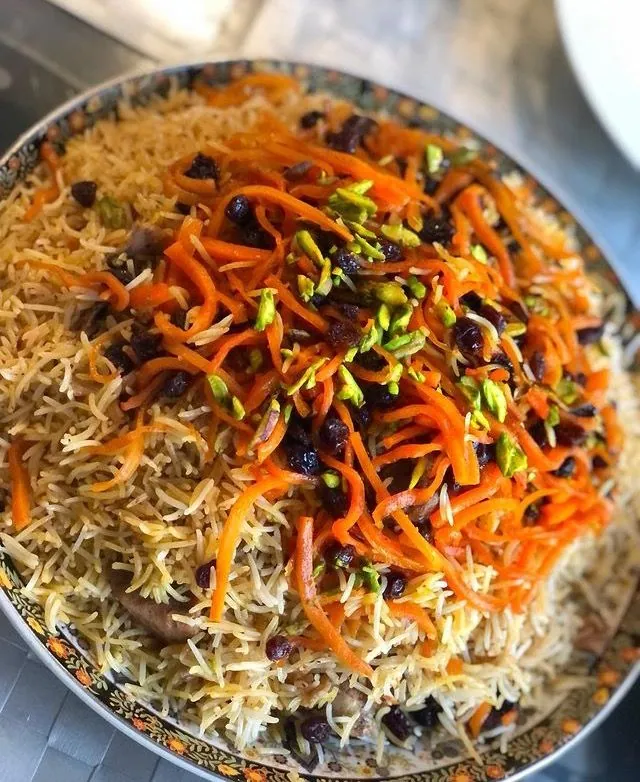
- Kabuli palaw. The national dish — steamed rice with lamb, caramelized carrots, and raisins. Order it at least once.
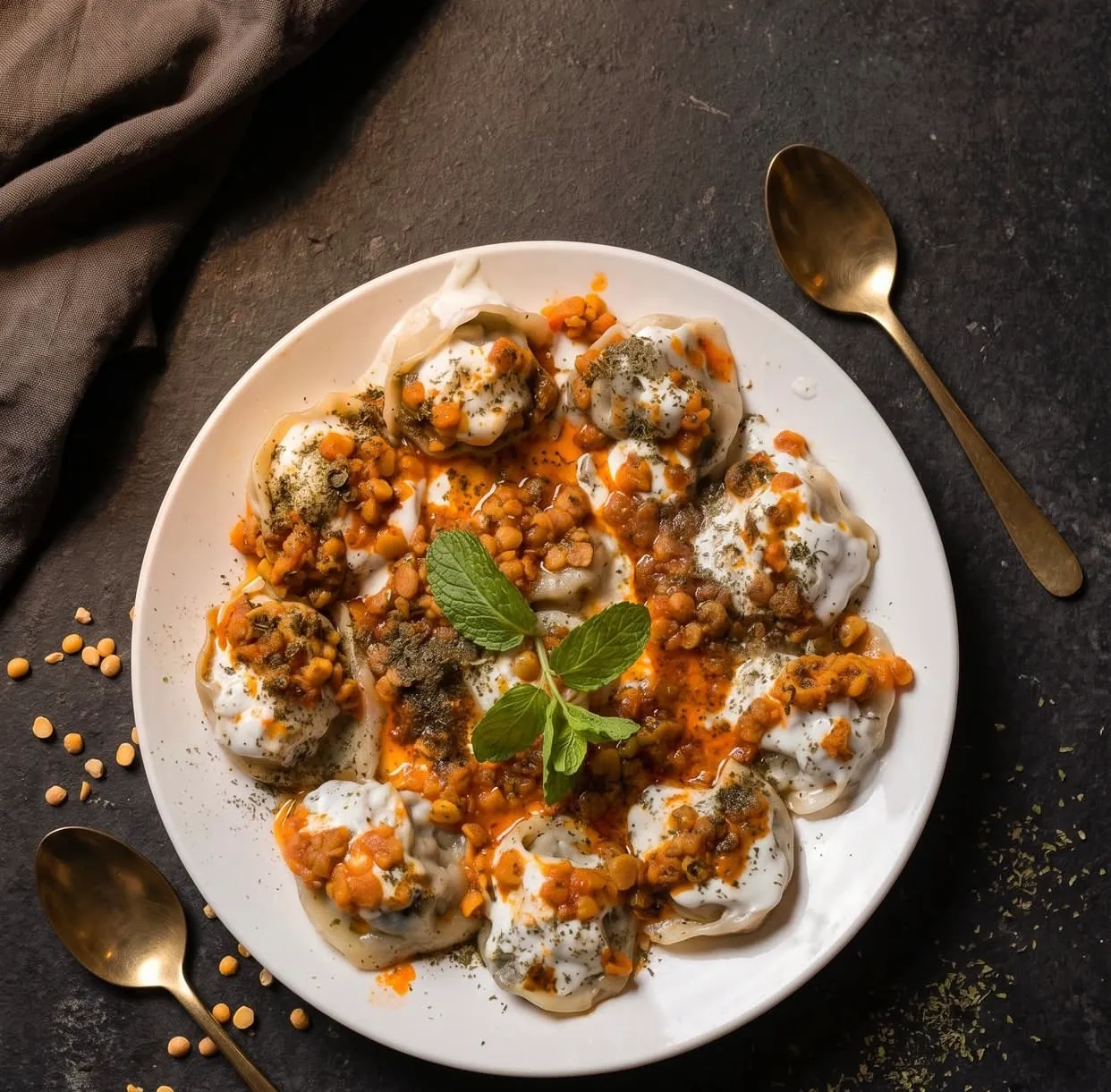
- Mantu. Steamed dumplings filled with spiced beef or lamb, topped with yoghurt and a tomato-lentil sauce.
- Ashak. Leek-filled dumplings under garlic yoghurt and mint — a Kabul favorite.
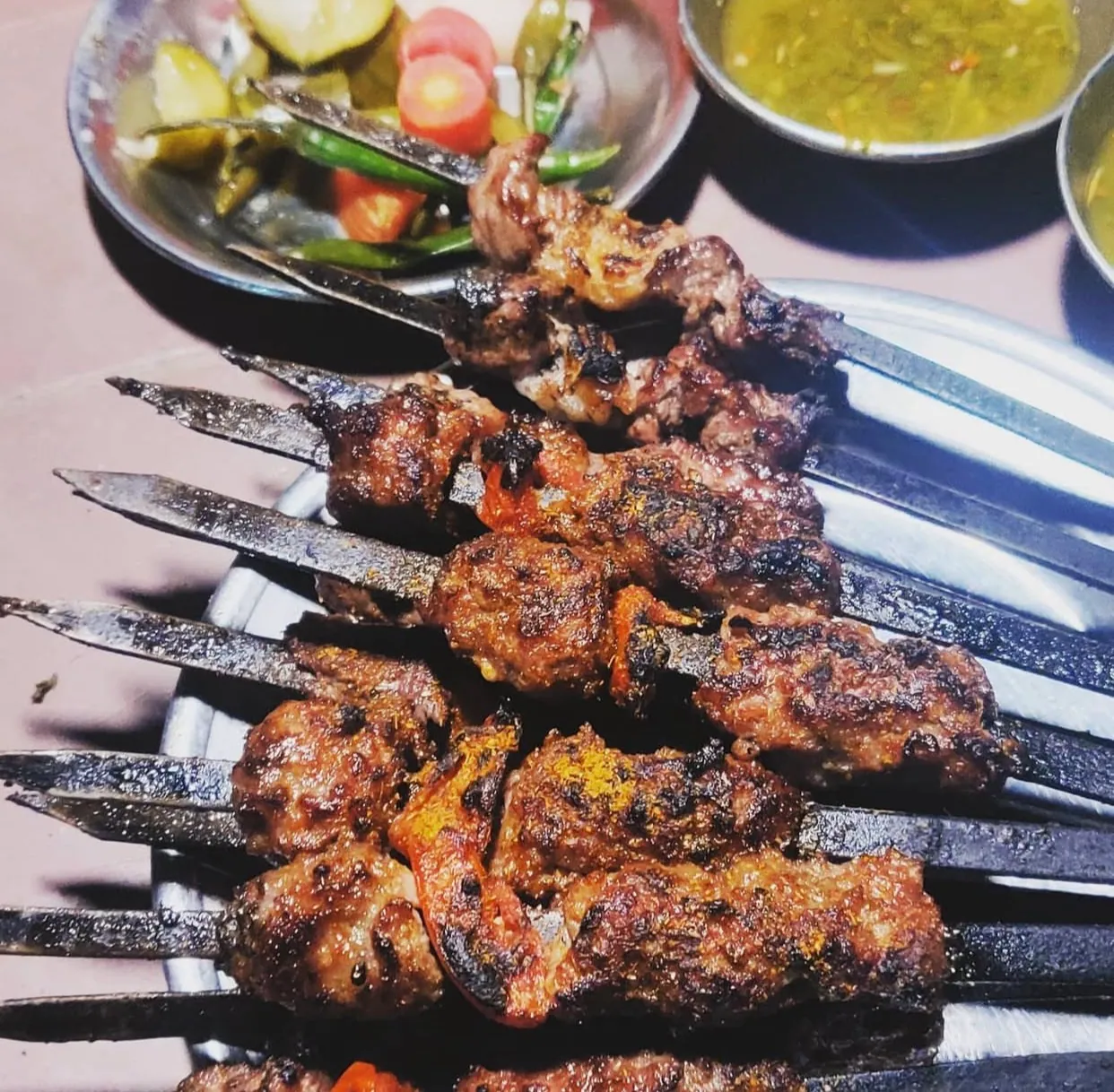
- Kebabs. Charcoal-grilled lamb, beef, and chicken skewers, served with fresh naan — the everyday classic.
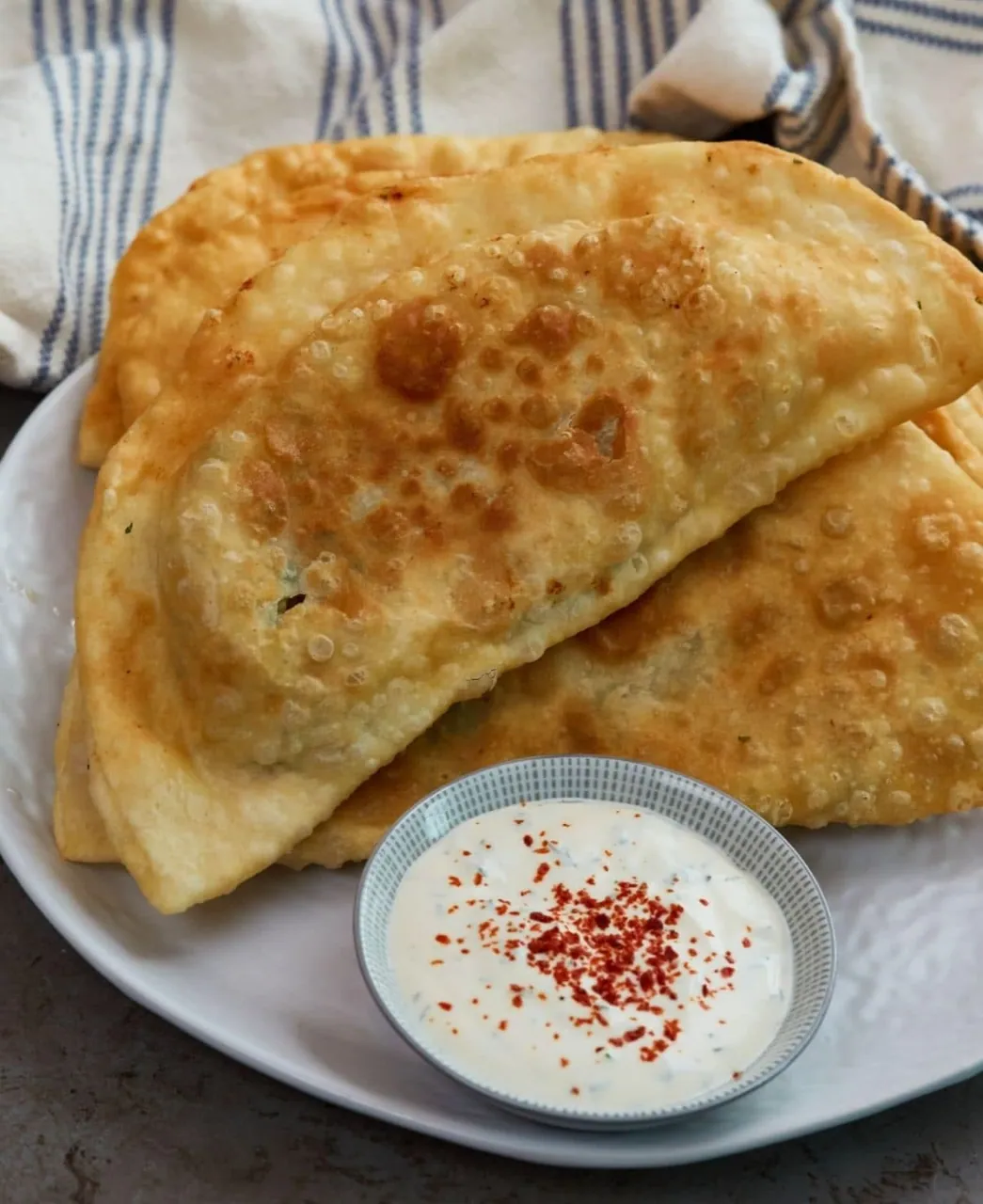
- Bolani. Thin flatbread stuffed with potato, leek, or pumpkin and pan-fried — a great vegetarian option.
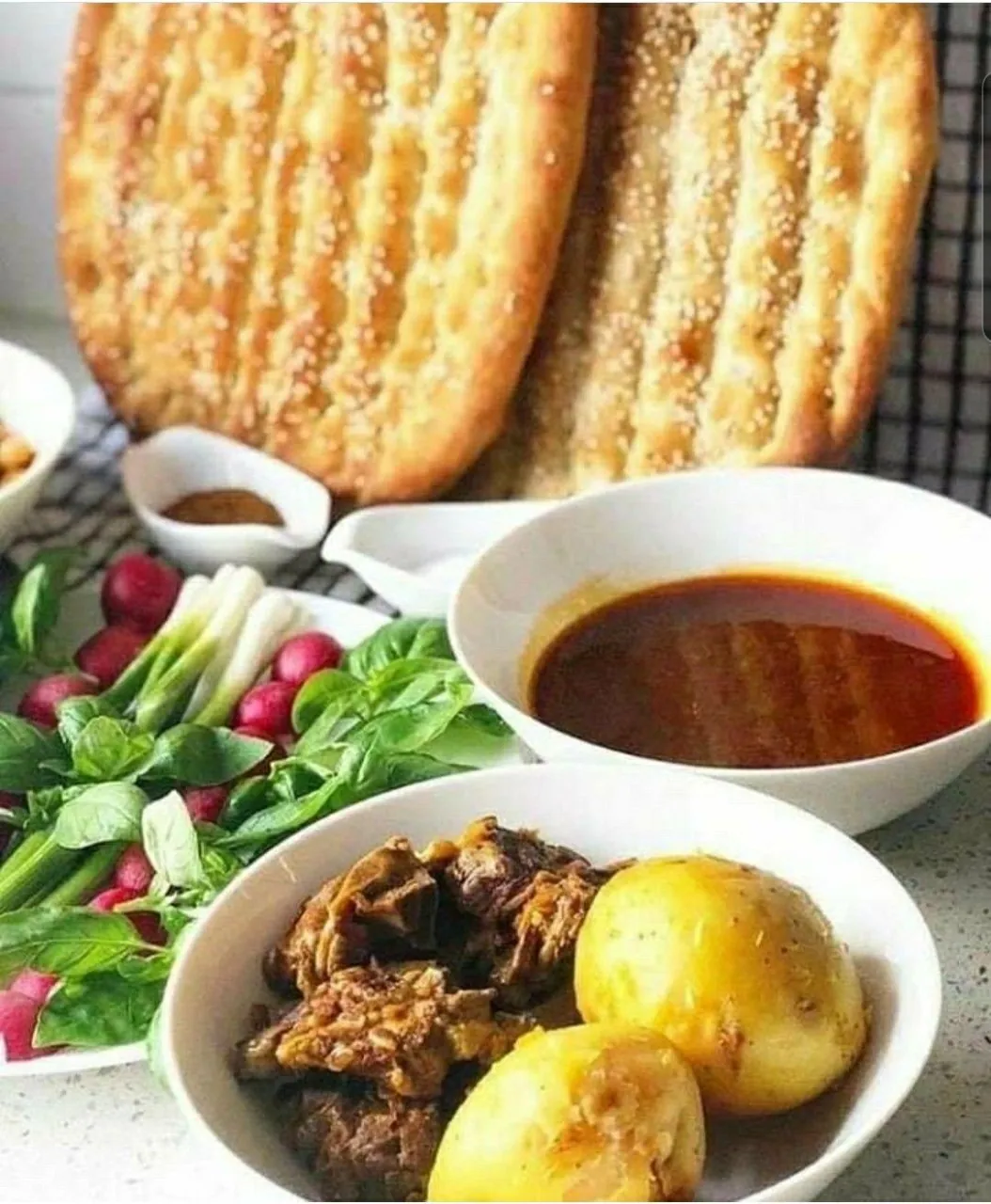
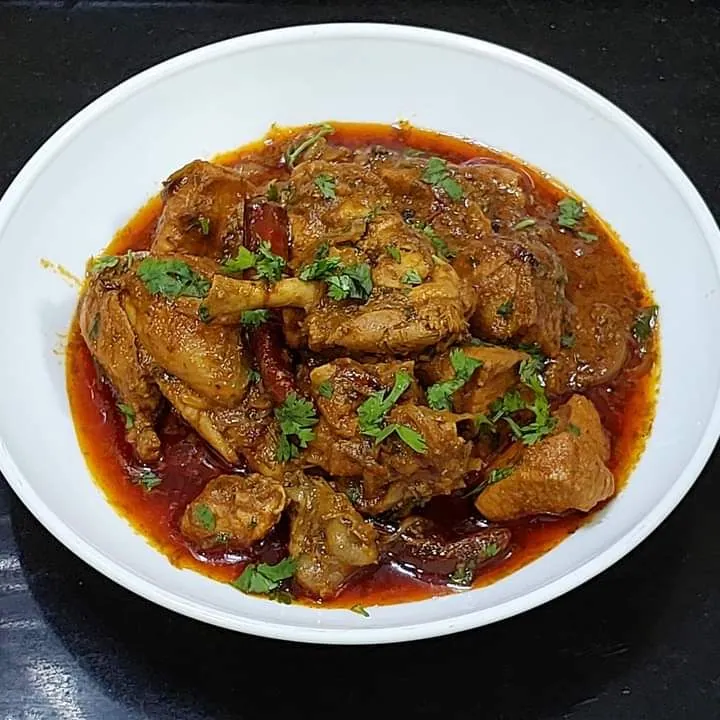
- Qorma & shorwa. Hearty soups and slow-cooked stews eaten with bread, especially in the colder months.
Bread, rice, and the shared table
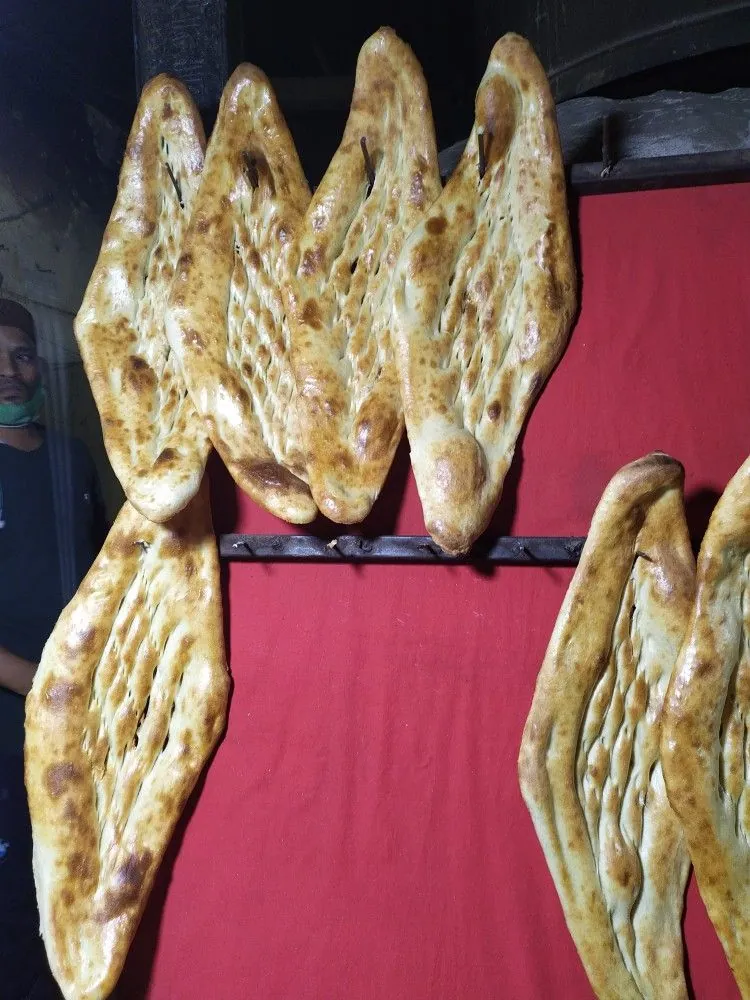
Naan — long, flat, oven-baked bread — is at every meal, used to scoop and share. Meals are communal: dishes arrive in the center and everyone eats together, often seated on cushions around a cloth (dastarkhan) on the floor. Eating with the right hand is customary, and your host will keep offering more — a full plate is a sign of hospitality, not pressure.
Tea and sweets
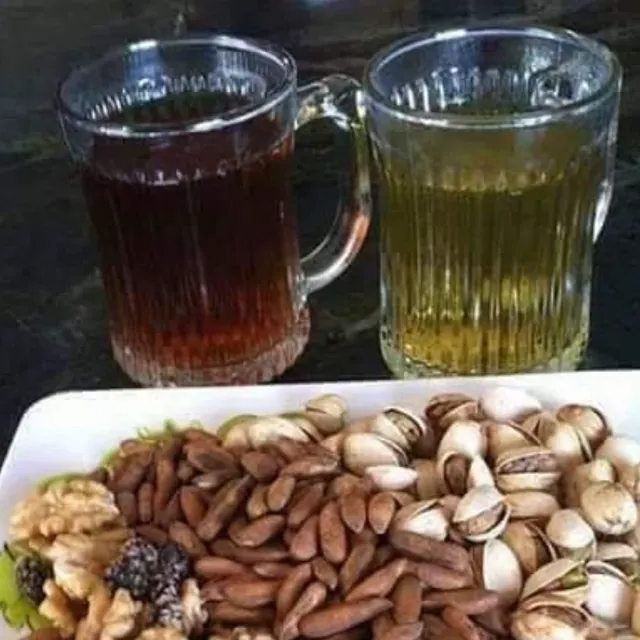
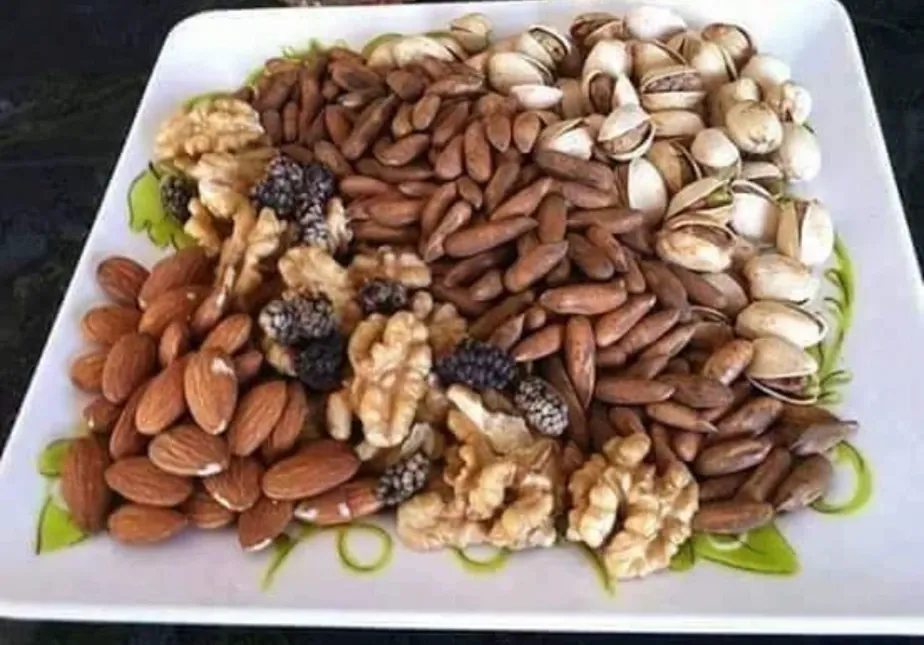
Tea (chai) — green (sabz) or black (siyah) — is the heart of Afghan hospitality, offered everywhere and at all hours, often with sugared almonds, raisins, chickpeas, or pastries. Don't miss firni (a delicate milk pudding) and sheer yakh, Afghan ice cream. Afghanistan's fruit is legendary too: pomegranates, melons, grapes, and mulberries in season.
Vegetarians and dietary needs
Vegetarians eat well here: bolani, sabzi (spinach), lentils, okra, eggplant, yoghurt, salads, and bread are everywhere. Food is halal by default. If you have allergies or restrictions, tell your guide at the start — we brief restaurants ahead so your meals are sorted without fuss.
Eating safely on the road
- Drink bottled or filtered water; we provide bottled water throughout the tour.
- Eat freshly cooked, hot dishes — they're both the tastiest and the safest.
- Let your guide recommend busy, trusted places; high turnover means fresh food.
- Peel fruit yourself when you can, and enjoy the incredible seasonal produce.
Food is part of every route we run — from Kabul's kebab houses to home-style meals in the provinces. Tell us your tastes and any dietary needs on WhatsApp and we'll build them into your trip. See our tour packages or planning tips in the best time to visit guide.
Planning a trip? Talk to our Kabul team — we reply fast on WhatsApp.
Plan My Trip