Herat City Guide: The Jewel of Western Afghanistan
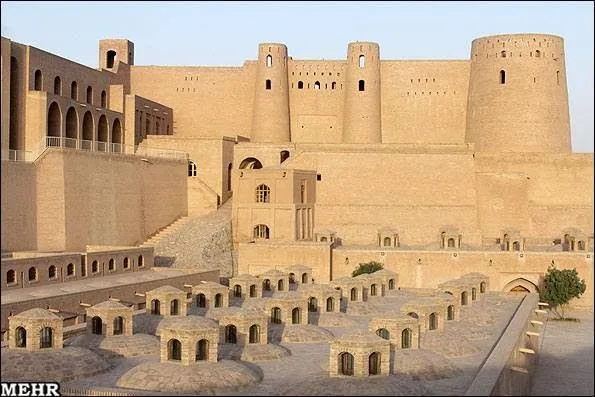
Herat, in the far west of Afghanistan, is one of the country's great historic cities — a former Silk Road capital of poets, artists, and craftsmen. Its blue-tiled monuments, towering minarets, and covered bazaars have a refined, timeless beauty that surprises first-time visitors. If Kabul is the country's heartbeat, Herat is its cultural jewel. Here is what to see and how to plan a visit.
Herat is western Afghanistan's great historic city, a former Silk Road capital known for the blue-tiled Great Mosque (Jama Masjid), the Citadel of Ikhtyaruddin, the Timurid minarets of the Musalla complex, and its covered bazaars. It is about an hour's flight from Kabul, and two days is enough to see the main sights at a relaxed pace.
What are the top things to see in Herat?
Herat's highlights are the tiled Great Mosque, the Citadel of Ikhtyaruddin, the Musalla minarets and Gawhar Shad's shrine, the covered bazaars, the Gazargah shrine and Jami's tomb, and the glass blowers and silk weavers still at work. The Minaret of Jam is a separate, long trip.
- The Great Mosque of Herat (Jama Masjid). A masterpiece of Islamic architecture, covered in dazzling blue and turquoise tilework, with a working tile workshop that keeps the craft alive.
- The Citadel of Ikhtyaruddin. A vast ancient fortress on the city's edge, restored and open to visitors, with sweeping views over Herat.
- The minarets and Musalla complex. The soaring remains of a grand 15th-century complex from the Timurid golden age — striking and photogenic.
- The shrine of Gawhar Shad. The resting place of the queen who was one of the great patrons of Herat's Timurid architecture.
- The old bazaars. Covered lanes selling glass, silk, spices, and Herat's famous handicrafts — a highlight in themselves.
- Gazargah, the shrine of Khwaja Abdullah Ansari. The hillside shrine of the 11th-century Sufi poet and saint, rebuilt in 1425 under the Timurid ruler Shah Rukh, with finely carved tombstones in its courtyard and a steady stream of pilgrims.
- The tomb of the poet Jami. The grave of Abdul Rahman Jami, the 15th-century poet and scholar who lived and taught in Herat, still visited by people who know his verses by heart.
- Glass blowers and silk weavers. Herat still makes its blue and green hand-blown glass and its silk, and a visit to a workshop shows how they are made.
- The Minaret of Jam. Afghanistan's first UNESCO World Heritage Site stands up the Hari River in Ghor, a long 4x4 journey east of Herat: see our Minaret of Jam guide.
Why is Herat called a city of art and learning?
Herat reached its height under the Timurids in the 15th century, when it was one of the most cultured cities in the Islamic world — a center for miniature painting, calligraphy, poetry, and architecture. That legacy is still everywhere: in the tilework, the minarets, and the workshops where craftsmen continue traditions handed down for generations. Walking Herat is like walking through living history.
How do you get to Herat?
Herat sits near Afghanistan's western border. The easiest way from Kabul is a domestic flight of about an hour, which we book as part of your trip. Once there, we provide a private vehicle and an English-speaking guide so you can move easily between the sights. Two days is enough for the main highlights at a relaxed pace, and Herat pairs well with a wider Afghanistan itinerary.
What can you eat and buy in Herat?
Herat's food carries a western Afghan and Persian influence — fragrant rice, kebabs, fresh bread, and excellent sweets. The bazaars are a pleasure to wander, known for blown glass, silk, and saffron grown in the surrounding region. Take your time over tea, let your guide introduce you to a trusted spot, and pick up a handmade souvenir straight from the maker.
How do you spend two days in Herat?
- Day 1. The Great Mosque in the morning light, then the Citadel of Ikhtyaruddin, lunch in the old city and an afternoon in the covered bazaars.
- Day 2. The Musalla minarets and the tomb of Gawhar Shad, the shrine at Gazargah, the tomb of Jami, and a glass or silk workshop before dinner.
When is the best time to visit Herat?
Spring (March to May) and autumn (September to November) are the best times: warm days, cool evenings and clear light for photos. Summer is hot, and from about June to September Herat has its famous strong wind, the "wind of 120 days". Winters are milder than in Kabul, with cold nights and some rain.
Is Herat safe to visit?
Herat is a regular stop on tourist itineraries, and visitors see its sights with a guide and a private vehicle. Government advisories cover Herat in the same way as the rest of Afghanistan, so read yours first, and see our honest guide to safety in Afghanistan.
What should you know before visiting Herat?
- Dress modestly, especially at mosques and shrines; your guide will advise on etiquette.
- Mornings are cooler and quieter — ideal for the mosque and citadel and for photos.
- Always ask before photographing people; most are gracious when asked politely.
- Carry some cash in afghanis for the bazaar, tea, and small purchases.
Herat is one of our favorite cities to show visitors, and it's easy to include on a tailored trip. Tell us your dates on WhatsApp and we'll plan the flights, guide, and route. See our Afghanistan tour prices, how to get around Afghanistan, or the best time to visit guide.
Questions about visiting Herat
What is Herat known for?
Herat is one of the oldest cities in Afghanistan and a great center of art and learning on the Silk Road. It is famous for the Great Mosque of Herat (Jama Masjid), the Citadel of Ikhtyaruddin, the historic minarets and Musalla complex, the shrine of Gawhar Shad, and its lively bazaars.
How do you get to Herat?
Herat is in western Afghanistan. The quickest way from Kabul is a short domestic flight of about an hour. It can also be reached overland. We arrange flights, a private vehicle in the city, and an English-speaking guide.
How many days do you need in Herat?
Two days is enough to see the main sights at a relaxed pace — the Great Mosque, the Citadel, the minarets, and the bazaars — with time for tea and local food. Many travelers combine Herat with other regions on a longer Afghanistan itinerary.
What is the Great Mosque of Herat?
The Great Mosque (Masjid-e Jami) is Herat's Friday mosque, begun around 1200 by the Ghurid sultan Ghiyath al-Din and famous for its blue and turquoise tilework. It is still a working mosque, so visitors dress modestly and avoid prayer times.
What is Gazargah in Herat?
Gazargah is the hillside shrine of Khwaja Abdullah Ansari, an 11th-century Sufi poet and saint. It was rebuilt in 1425 under the Timurid ruler Shah Rukh and is still an active place of pilgrimage, a short drive from the city centre.
When is the best time to visit Herat?
Spring (March to May) and autumn (September to November). Summers are hot and windy, with the "wind of 120 days" blowing from about June to September, and winters are mild compared with Kabul.
Is Herat safe to visit?
Herat is a regular stop on tourist itineraries, and visitors see it with a guide and a private vehicle. Government advisories cover Herat like the rest of Afghanistan, so read your own government's advice before you book.
Planning a trip? Talk to our Kabul team — we reply fast on WhatsApp.
Plan My Trip