Is Afghanistan Safe to Visit? An Honest Answer from a Kabul Tour Operator
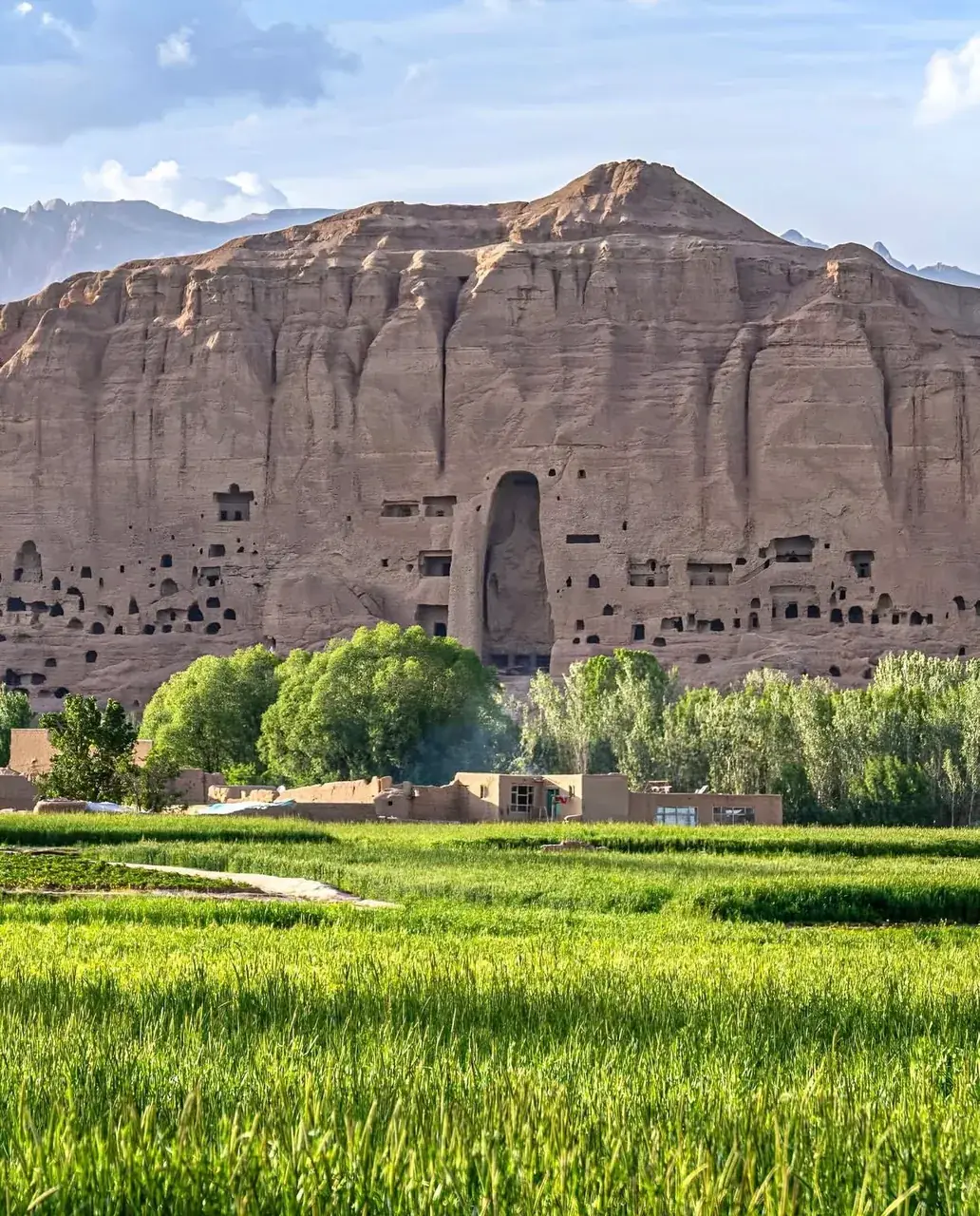
"Is Afghanistan safe?" is the first question almost every traveler asks us — and it deserves an honest answer, not a sales pitch.
Afghanistan is not risk-free, and most Western governments advise against travel there, so read your own government's advisory first. Even so, thousands of foreign travelers have visited in recent years and the overwhelming majority finished their trips without incident, usually with a registered local operator, correct permits, current information and a planned route through regions such as Kabul, Bamyan and Herat.
What do governments advise about travel to Afghanistan?
Most Western governments currently advise against travel to Afghanistan. The UK Foreign Office advises against all travel, and the US State Department rates it Level 4: Do Not Travel. Read your own government's advisory before planning anything, and make your own informed decision. Travel insurance that covers Afghanistan is limited, and some policies are invalidated by travelling against official advice, so confirm your cover before you book with anyone — including us.
At the same time, thousands of foreign travelers have visited Afghanistan in recent years — photographers, historians, mountaineers, and culturally curious travelers — and the overwhelming majority complete their trips without incident. The country they experience is very different from the one in the headlines: hospitable, quiet in most tourist regions, and extraordinarily beautiful.
We last checked these advisories on 21 October 2026, when both still said not to travel. They can change at any time, so read the current version yourself before you book.
What does a local operator do for your safety?
- Current, on-the-ground information. Conditions vary by province and change over time. We live here — we know which routes and regions are calm right now, and we plan around anything that isn't.
- Registered guides and permits. Foreign visitors are expected to travel with documentation in order. We arrange invitation letters, permits, and check-ins so you are always traveling correctly.
- Vetted logistics. Private drivers, known hotels, and a fixed itinerary shared with our office — someone always knows where you are.
- 24/7 contact. Our WhatsApp line (+93 777 30 70 90) is monitored around the clock during every tour.
Which regions do tourists usually visit?
Most itineraries focus on Kabul, Bamyan and Band-e Amir, Herat, Mazar-i-Sharif, and the Panjshir Valley — regions with established tourist routes. Remote areas like the Wakhan Corridor are spectacular but require more preparation, and we only run them when conditions allow.
Is Kabul safe for tourists?
Almost every trip starts and ends in Kabul, and visitors see the city with a guide and a private vehicle. It is busy, and checkpoints are part of daily life. The practical rules are simple: keep your passport and visa with you, stay with your guide rather than wandering alone, keep away from crowds and demonstrations, and be back at your hotel after dark. Attacks have happened in Kabul in recent years, and the advisories cover the capital as well, so read yours before you decide.
What are the main risks for travellers?
Government advisories list the same risks again and again, and we plan every trip around them:
- Attacks. Armed groups have carried out attacks in cities and at crowded places, which is why we keep away from crowds and rallies.
- Detention. Foreign visitors have been detained, sometimes for months, and the reasons are not always made clear. Carry your papers, keep to the itinerary, and follow your guide when officials ask questions or when you want to take photos.
- Kidnapping. This is one reason every trip follows a fixed route that our office knows, with no unplanned side-trips.
- Border areas. Tension with Pakistan has led to clashes along the border, and crossings can close at short notice. Advisories say to avoid the border areas, and we plan routes with that in mind.
- Natural hazards. Afghanistan has strong earthquakes (Herat in 2023, the east in 2025), floods in spring, and snow that closes high passes in winter.
- Limited health care. Hospitals outside Kabul are basic, so bring your own medicines and check whether your insurance covers medical evacuation.
What rules should you follow at checkpoints and when taking photos?
Checkpoints are a normal part of travel here. The driver stops, your guide does the talking, and you show your passport and visa when asked. Do not photograph checkpoints, soldiers, police, government buildings or military vehicles. Ask before photographing anyone, and do not photograph women without their permission. Dress modestly, stay calm and polite, and let your guide answer questions from officials.
What about health care and emergencies?
Kabul has the best hospitals and clinics in the country; elsewhere care is basic. Bring enough of any medicines you take and a small first-aid kit, and tell us about health conditions before the trip so we can plan around them. Bamyan, Band-e-Amir and the mountain passes are 2,500 to 3,000 meters high or more, so take the first day slowly. Many Western countries, including the US and the UK, have no embassy in Kabul and can give little or no help in an emergency, so check what your own country offers before you go.
What safety tips do we give every guest?
- Read your government's travel advisory and register your trip if your embassy offers it.
- Dress modestly and follow your guide's lead on local customs and photography.
- Keep your passport, visa, and permits with you; we carry copies.
- Use the itinerary — solo wandering at night or unplanned side-trips are where problems start.
- Buy the most comprehensive insurance you can find, and know its exclusions.
What are the limits of this advice?
This is a tour operator's view, not an official advisory. Conditions differ by province and change over time, insurance often excludes places your government advises against, and a local team lowers risk but cannot remove it. Read your government's advisory and ask your insurer in writing first.
- This is a tour operator's view, not an official advisory. Read your own government's advisory first.
- Conditions differ by province and change over time. If a route is not right for your dates, we change the route or the date.
- Many travel insurance policies exclude places your government advises against visiting. Ask your insurer in writing before you book.
- A local team lowers risk but cannot remove it, and nobody can promise a trip without incident.
So, is Afghanistan safe to visit?
We won't tell you Afghanistan is risk-free — it isn't, and any operator who says otherwise is not being straight with you. What we can say is that with a registered local team, correct paperwork, current information, and a well-planned route, travelers visit Afghanistan every month and go home with the trip of a lifetime. If you tell us your dates and interests, we'll tell you honestly what is and isn't sensible right now.
Questions about safety in Afghanistan
Is Afghanistan safe for tourists?
Most Western governments advise against travel to Afghanistan, and travelers should read their own government's advisory first. That said, thousands of foreign travelers visit each year with registered local operators, correct permits, and planned itineraries, and the large majority complete their trips without incident. A reputable local operator plans around current conditions province by province.
Do tourists need a guide in Afghanistan?
Traveling with a registered local guide is strongly recommended and in practice expected. A guide handles permits, check-ins, language, and route decisions based on current local conditions.
Which parts of Afghanistan do tourists visit?
Most itineraries cover Kabul, Bamyan and Band-e Amir, Herat, Mazar-i-Sharif, and the Panjshir Valley. Remote regions like the Wakhan Corridor in Badakhshan are possible with extra preparation when conditions allow.
Is Kabul safe for tourists?
Visitors see Kabul with a guide and a private vehicle, and most trips start and end there. It is busy, checkpoints are common, and attacks have happened in the city in recent years, so government advisories cover Kabul too. Keep your papers with you, stay with your guide, avoid crowds, and be back at your hotel after dark.
Is Afghanistan safe for women travellers?
Women do visit Afghanistan with a local operator, but the rules for women are strict: dress conservatively, expect some places, such as Band-e-Amir, to be closed to women, and read our guide for women travellers before you book.
Does travel insurance cover Afghanistan?
Many standard policies do not, and some become invalid when you travel against your government's advice. Look for a specialist policy that names Afghanistan, and ask the insurer in writing what it covers, including medical evacuation.
What should you not photograph in Afghanistan?
Do not photograph checkpoints, soldiers, police, government buildings or military vehicles, and always ask before photographing people, especially women. Your guide will tell you when it is fine to take pictures.
Planning a trip? Talk to our Kabul team — we reply fast on WhatsApp.
Plan My Trip