Visiting Band-e-Amir: Afghanistan's First National Park
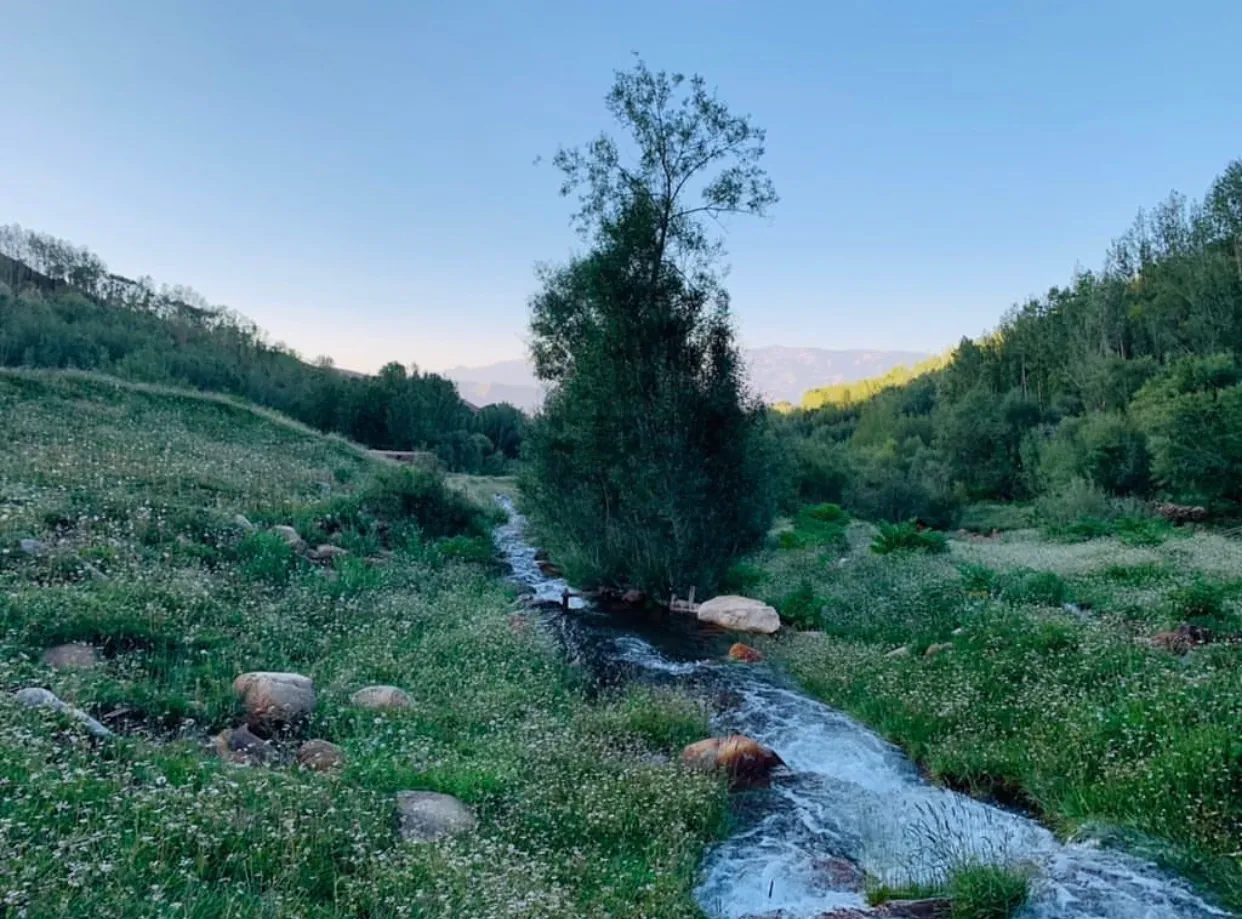
If Afghanistan has one view that stops people in their tracks, it is Band-e-Amir — a chain of six lakes the color of deep sapphire, held back by natural stone walls high in the central highlands. It became Afghanistan's first national park in 2009, and for many of our guests it is the single most memorable day of the whole trip. Here is everything you need to plan a visit.
Band-e-Amir (also written Band-e Amir, Band-i-Amir or Band Amir) is a chain of six deep-blue lakes at about 3,000 meters in Bamyan province, and Afghanistan's first national park (2009). It is about a two-hour drive from Bamyan town, which is a day's drive or a short flight from Kabul. Go between May and October; in winter it is cold and snowy and access is limited.
What makes Band-e-Amir special?
The lakes sit at around 3,000 meters, ringed by pale cliffs and open sky. Their extraordinary blue comes from mineral-rich water and natural dams of travertine that formed over thousands of years, one lake spilling into the next. The stillness, the color, and the sheer scale make it feel otherworldly — a complete contrast to the mountains you drive through to get there.
What are the six lakes of Band-e-Amir called?
The six lakes are Band-e Haibat, Band-e Zulfiqar, Band-e Panir, Band-e Pudina, Band-e Gholaman and Band-e Qambar. Band-e Haibat is the best known and most visited; the others need a walk or a short drive, and your guide will choose which to see depending on the season and the time you have.
How do you get to Band-e-Amir?
Band-e-Amir is reached from Bamyan town, about a two-hour drive west by private vehicle. Bamyan itself is a scenic day's drive from Kabul through the central highlands, or a short domestic flight. Most of our guests pair Band-e-Amir with Bamyan's cliffs and valleys over two or three days, so nothing feels rushed. We arrange the vehicle, driver, guide, and timing end to end.
How far is Band-e-Amir from Kabul?
Band-e-Amir is about 75 km west of Bamyan town and roughly 250 km from Kabul by road. Allow four to six hours from Kabul to Bamyan and about two more hours on to the lakes, so most people spend the night in Bamyan rather than doing it all in one day.
How long is the drive from Kabul to Bamyan?
The journey from Kabul is a highlight in its own right — about 180 km that takes four to six hours depending on the route, season, and stops. There are two main roads: the southern route over the Unai Pass through Wardak's farmland, and the longer but spectacular northern route through the Ghorband Valley over the Shibar Pass. Most of the way is paved, and we travel by private 4x4 or comfortable sedan. Because conditions change with the season, we confirm the best route on the day with drivers who have just driven it.
- The shift from Kabul's busy outskirts to open highland farmland within the first hour.
- Mountain passes above 3,000 meters with views over the Koh-e Baba range.
- Roadside bazaars where we stop for fresh bread, kebabs, and seasonal fruit.
- The first sight of Bamyan's red cliffs and the empty Buddha niches as you enter the valley.
How do you spend three days in Bamyan?
- Day 1. Morning departure from Kabul, a scenic drive with stops, arriving in Bamyan by mid-afternoon; sunset from the cliffs above the old bazaar.
- Day 2. A full day at Band-e-Amir's six blue lakes — about two hours each way from Bamyan town, with time to walk the travertine dams.
- Day 3. Morning at the Buddha niches and Shahr-e Gholghola, both part of the UNESCO World Heritage-listed Bamiyan Valley, and the local bazaar, then the return drive to Kabul.
What can you do at Band-e-Amir?
At Band-e Amir you can walk the shoreline paths, take a pedal boat out on the lake, picnic by the water, photograph the lakes in the early morning or late afternoon light, and visit the small shrine near the lakes.
- Walk the shoreline paths for the classic views across the water to the cliffs.
- Take a pedal boat out onto the lake — a local favorite and a fun way to see the color up close.
- Picnic by the water; your guide can arrange tea and lunch with a view.
- Photograph the lakes in the golden light of early morning or late afternoon.
- Visit the small shrine near the lakes and enjoy the calm, unhurried atmosphere.
When is the best time to visit Band-e-Amir?
Late spring to early autumn — roughly May through October — is ideal. The roads are clear, the weather is comfortable by day, and the lakes are at their most vivid. Summer is the peak season and the highlands stay pleasantly cool. In winter the area is cold and snowy and access can be limited, so we usually plan Band-e-Amir for the warmer months.
What should you know before visiting Band-e-Amir?
- Bring layers — even in summer the highland air is cool, especially in the morning and evening.
- Wear comfortable shoes for the shoreline paths and uneven ground.
- Sun protection matters at altitude; pack a hat, sunglasses, and sunscreen.
- Help keep the park pristine — take your litter with you and respect the water.
- Women: the park has been closed to women since August 2023. Some foreign women have been let in with a guide and others turned back, so we check the rule for your dates; see our guide for women travellers.
Band-e-Amir is part of our Bamyan routes, and it is easy to add to a wider trip. Tell us your dates on WhatsApp and we'll build the itinerary around it. See our Afghanistan tour prices, or the best time to visit guide.
Questions about visiting Band-e-Amir
Where is Band-e-Amir?
Band-e-Amir is a group of six deep-blue lakes in the central highlands of Afghanistan, in Bamyan province, roughly 75 kilometers west of Bamyan town. It was declared Afghanistan's first national park in 2009.
How do you get to Band-e-Amir?
Most visitors reach Band-e-Amir from Bamyan town by road, about a two-hour drive by private vehicle. Bamyan itself is reached by a scenic day's drive from Kabul or by a short domestic flight. We arrange the full route, driver, and guide.
What is the best time to visit Band-e-Amir?
Late spring through early autumn (May to October) is best, when the roads are clear and the lakes are their most vivid blue. In winter the highlands are cold and snowy, and access can be limited.
Can women visit Band-e-Amir?
Not reliably. The park was closed to women in August 2023 and the ban has not been formally lifted. Some foreign women have been let in with a guide since then and others turned back, so we check the rule for your dates before you book.
How much time do you need at Band-e-Amir?
Plan a full day. The lakes are about two hours by road each way from Bamyan town, which leaves time to walk the shoreline paths and the travertine dams, take a pedal boat and have a picnic. Most visitors pair it with Bamyan's cliffs and valleys over two or three days.
What can you do at Band-e-Amir?
Walk the shoreline paths, take a pedal boat out on the lake, picnic by the water, photograph the lakes in the early morning or late afternoon light, and visit the small shrine near the lakes.
How long is the drive from Kabul to Bamyan?
About 180 km, which takes four to six hours depending on the route, the season and the stops. There are two main roads: the southern route over the Unai Pass through Wardak, and the longer northern route through the Ghorband Valley over the Shibar Pass. Most of it is paved.
What are the six lakes of Band-e-Amir?
Band-e Haibat, Band-e Zulfiqar, Band-e Panir, Band-e Pudina, Band-e Gholaman and Band-e Qambar. Band-e Haibat is the best known and most visited.
How far is Band-e-Amir from Kabul?
Roughly 250 km by road: four to six hours from Kabul to Bamyan, then about two hours on to the lakes, which are about 75 km west of Bamyan town. Most people stay the night in Bamyan.
Bamyan and Band-e-Amir tours and prices
Planning a trip? Talk to our Kabul team — we reply fast on WhatsApp.
Plan My Trip