The Wakhan Corridor: A Travel Guide to Afghanistan's Pamirs
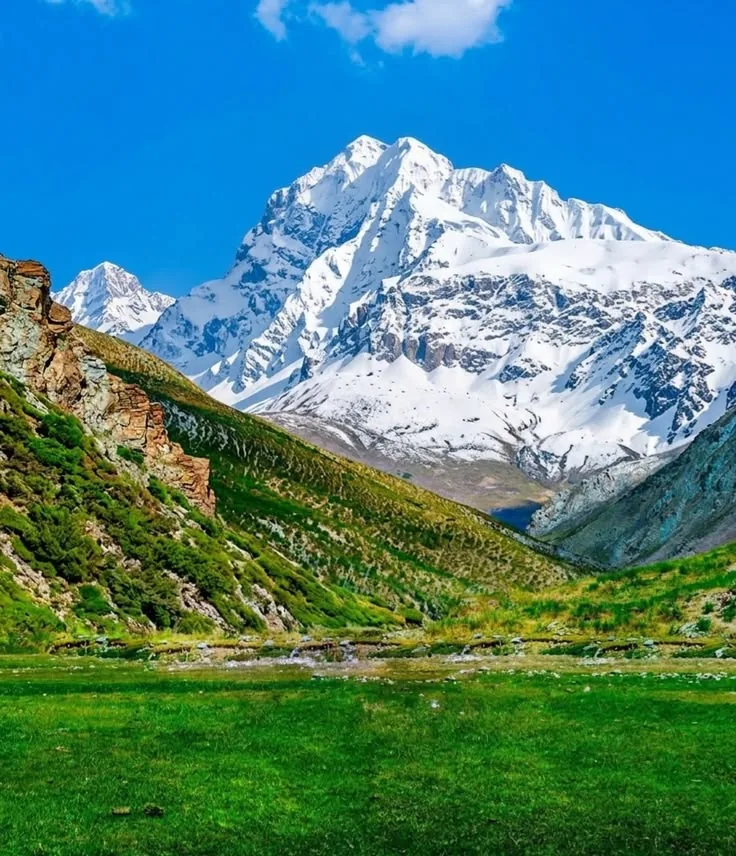
The Wakhan is the thin arm of Afghanistan that reaches east between Tajikistan and Pakistan to touch China: high valleys, Wakhi villages, Kyrgyz herders and the Pamir mountains. It is the most remote trip in the country, and the one people plan for longest. Here is what it is like, how to get there and what it takes.
The Wakhan Corridor is the far north-east of Afghanistan, in Badakhshan province: about 350 km long and as little as 13 km wide. It is reached by road through Faizabad to Ishkashim, the gateway, and a road runs on to Sarhad-e Broghil; beyond that the Little Pamir is on foot or by horse. Go from June to September, and allow at least a week in Badakhshan, or two weeks to trek.
What is the Wakhan Corridor?
A strip of high valleys along the Panj and Wakhan rivers, with Tajikistan across the river to the north, Pakistan beyond the Hindu Kush to the south, and China at its eastern end. It was drawn in the 1890s as a buffer between the Russian Empire and British India. The lower valley is farmed by Wakhi villagers; above it, the grasslands of the Big and Little Pamir are grazed in summer by Kyrgyz herders. Much of it has been a national park since 2014.
How do you get to the Wakhan?
From Kabul it is about two days by road to Faizabad, the capital of Badakhshan, through Kunduz and Taloqan; flights to Faizabad have run only now and then since 2021, and we book one when it does. From Faizabad it is a long day to Ishkashim, the gateway to the Wakhan, and one or two more days along the corridor to Sarhad-e Broghil, about 250 km on, where the road ends. Travellers have also come in from Tajikistan at Ishkashim; ask us whether that crossing is open for your dates before you plan on it.
Which permits do you need for the Wakhan?
- A visa: the e-Visa if you land at Kabul airport, or an embassy visa if you come overland.
- The travel letter from the Ministry of Information and Culture in Kabul, naming Badakhshan.
- Registration in Faizabad, and again in Ishkashim, where your onward trip is recorded; posts further up the valley check your papers.
- Some nationalities have recently been refused the Wakhan permit. Tell us your passport before you book and we check it first.
When is the best time to visit the Wakhan?
June to September. The road is open, the passes are clear of snow and the herders are up on their summer pastures. July and August are the warmest months, but the nights are cold even then, and below freezing on the high Pamir. From November to April snow closes much of the route.
What is a Wakhan trip like?
- Altitude: Ishkashim is about 2,600 m and Sarhad-e Broghil about 3,300 m; the Little Pamir is above 4,000 m. Go up slowly.
- Nights are in simple guesthouses and homestays, and in tents on a trek; there are no hotels beyond Ishkashim.
- There is little or no phone signal in the upper valley and no cash machine anywhere: bring all the cash you need.
- Food is simple: bread, yoghurt, tea and rice. Bring snacks, a warm sleeping bag and a way to purify water.
Is there a Wakhan Corridor tour?
Yes. Our Wakhan Corridor Expedition spends 7 days in Badakhshan and costs $1,400–$1,800 per person, with a guide, a vehicle and driver, the guesthouses and the permits. For the Little Pamir and the Kyrgyz camps, plan two weeks or more; we build that trip around your dates.
Planning the north-east? Read our Nuristan and Badakhshan guide and Afghanistan travel permits.
Sources: Wikipedia: Wakhan; Wikipedia: Wakhan National Park; road and permit details from our team in Badakhshan.
Questions about visiting the Wakhan Corridor
Is the Wakhan Corridor open to tourists?
Yes, from about June to September, with a visa, the Ministry of Information and Culture travel letter for Badakhshan, and registration in Faizabad and Ishkashim. Some nationalities have recently been refused the Wakhan permit, so check before you book.
How do you get to the Wakhan Corridor?
By road from Kabul to Faizabad in about two days, then a long day to Ishkashim, the gateway, and one or two more days along the valley to Sarhad-e Broghil, where the road ends.
When is the best time to visit the Wakhan?
June to September, when the road and the passes are open and the herders are on their summer pastures. From November to April snow closes much of the route.
How many days do you need for the Wakhan?
At least a week in Badakhshan for the lower valley, and two weeks or more to trek into the Little Pamir. Al Hamid Tour and Travel's Wakhan Corridor Expedition spends 7 days in Badakhshan, for $1,400 to $1,800 per person.
Who lives in the Wakhan Corridor?
Wakhi farmers in the lower valleys, and Kyrgyz herders who graze the Pamir grasslands in summer.
Planning a trip? Talk to our Kabul team — we reply fast on WhatsApp.
Plan My Trip